Hiking Through Heritage: Where Trails Meet Tradition in Brunei’s Capital
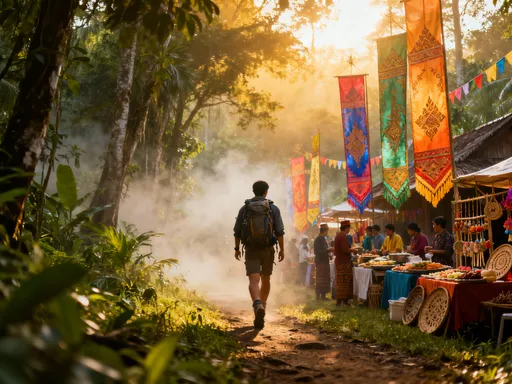
You know that feeling when nature and culture collide in the most unexpected way? That’s exactly what happened when I laced up my boots in Bandar Seri Begawan. Beyond the city’s quiet streets lie lush trails leading straight into heart-pounding festival energy. Think misty jungle paths, rhythmic gong beats echoing through the trees, and local celebrations that turn hikes into unforgettable cultural journeys. This isn’t just walking in the woods — it’s hiking with soul. In Brunei’s capital, where modern life moves at a gentle pace, the rhythm of tradition pulses beneath the surface, waiting to be discovered not through grand tours, but through quiet footsteps on forest trails that lead to vibrant community gatherings. Here, adventure isn’t measured in altitude, but in connection.
Discovering Bandar Seri Begawan’s Hidden Natural Side
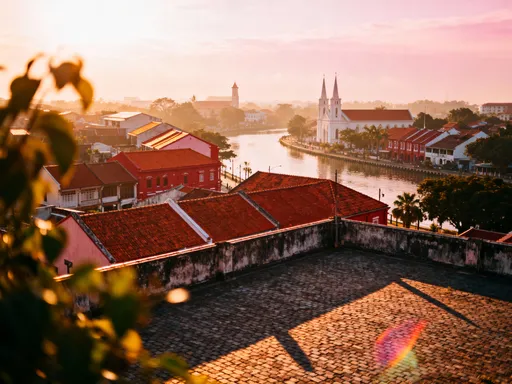
Bandar Seri Begawan is often appreciated for its gleaming mosques, royal palaces, and serene water villages, but its natural landscape remains one of Southeast Asia’s best-kept secrets. Nestled between the Brunei Bay and the dense rainforests of the interior, the capital offers an unexpected blend of urban accessibility and wild serenity. Just minutes from the city center, trails begin at the edge of residential neighborhoods, slipping seamlessly into shaded pathways lined with ferns, towering dipterocarp trees, and the occasional monitor lizard sunning itself on a moss-covered log. The topography is forgiving — gentle slopes and well-marked routes make hiking accessible even for beginners or families with children.
What sets these trails apart is their proximity to living culture. Unlike remote wilderness treks that isolate hikers from community life, the green corridors around Bandar Seri Begawan serve as connectors. They don’t just lead into nature — they lead into the heart of Bruneian life. Many paths originate near villages where daily routines unfold in harmony with the environment: fishing along riverbanks, harvesting jungle produce, or preparing for seasonal festivals. The air hums with a quiet vitality, a reminder that nature here isn’t preserved behind glass — it’s lived in, respected, and celebrated.
These urban-jungle trails are more than recreational spaces; they are ecological corridors that support biodiversity while offering residents and visitors a chance to reconnect with the land. Boardwalks cross wetlands teeming with birdlife, and suspension bridges sway gently over clear streams where children play during holidays. Conservation efforts by local authorities have ensured that these areas remain protected, with signage in both Malay and English providing information about native flora and fauna. For those seeking a break from the pace of modern life, these trails offer not escape, but reintegration — a return to rhythms older than traffic lights or office hours.
Trails That Lead to Tradition: Connecting Nature and Culture
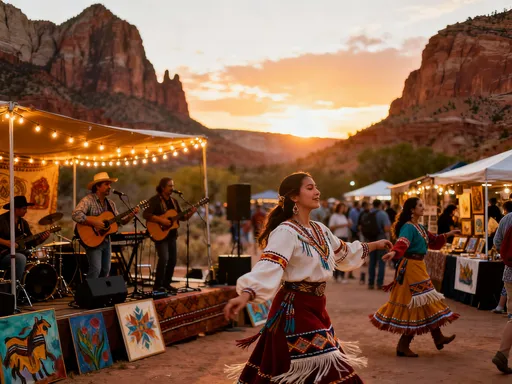
In most places, hiking ends where the trail does. But in Brunei’s capital region, the journey often culminates in something far more meaningful — a cultural celebration rooted in centuries of Malay-Muslim tradition. It’s not uncommon for a quiet morning trek through the misty forest to conclude at the edge of a village festival, where the scent of grilled fish and spiced rice fills the air, and the sound of gongs and traditional rebana drums rises above the tree line. This seamless transition from solitude to community is what makes hiking in Bandar Seri Begawan truly unique.
Certain trails are historically linked to seasonal events, such as the annual Brunei Darussalam Festival or Hari Raya Aidilfitri processions. These are not staged for tourists; they are authentic expressions of gratitude, faith, and community spirit. When hikers arrive on foot, having traveled through the same landscapes their ancestors once did, the experience takes on a deeper resonance. They aren’t spectators — they are participants in a living tradition, welcomed with warm smiles and offered cups of sweet teh tarik served in biodegradable cups.
One such route leads from the outskirts of Gadong to a riverside village that hosts a floating market during the Islamic New Year. As the sun rises, boats laden with tropical fruits, handmade kuih, and woven baskets glide along the water, while families gather on the banks to share meals and stories. Hikers who arrive early enough are invited to join in, their arrival seen not as intrusion but as appreciation. This organic connection between land and culture reminds us that heritage isn’t confined to museums — it flows through rivers, grows in forests, and lives in the voices of those who call this place home.
The Best Time to Hike and Celebrate
Timing can transform a pleasant walk into a profound cultural encounter. Brunei’s tropical climate features two main seasons: the dry season from January to March and the wetter months from September to December. For hikers seeking both optimal trail conditions and festival access, the dry season is ideal. During these months, paths are firm underfoot, leeches are less prevalent, and visibility through the canopy is clearer, allowing glimpses of hornbills and kingfishers in the treetops.
More importantly, this period overlaps with several key national and religious celebrations. The Brunei Darussalam Festival, usually held in February, transforms public spaces into showcases of local artistry, cuisine, and performance. While centered in the capital, many surrounding villages host satellite events — and some are accessible only by foot or boat. Hiking to these remote gatherings offers a rare intimacy, far removed from crowded main stages.
Other significant times include Hari Raya Aidilfitri and Hari Raya Aidiladha, which mark the end of Ramadan and the Festival of Sacrifice, respectively. Though primarily religious observances, these occasions are also times of open-house hospitality, where homes and community halls welcome visitors. Some villages organize cultural days during these holidays, featuring traditional games like congkak, kite-flying contests, and batik-making demonstrations. With advance planning — checking municipal event boards or consulting local tour operators — travelers can align their hikes with these festivities, turning a physical journey into a spiritual and cultural pilgrimage.
Essential Gear and Preparation for Urban-Jungle Hikes
Even on well-maintained trails, preparation is key to a safe and respectful experience. Brunei’s humidity demands thoughtful packing: lightweight, quick-dry clothing in neutral colors helps prevent overheating and minimizes disturbance to wildlife. Closed-toe hiking shoes with good grip are essential, as some paths can become slippery after brief rain showers. A wide-brimmed hat, UV-protective sunglasses, and biodegradable insect repellent provide additional comfort under the tropical sun.
Hydration is critical. Carrying at least two liters of water per person is recommended, along with electrolyte supplements to maintain balance. While some trails have designated rest areas with drinking water, others do not, so self-sufficiency is important. Snacks should be high in energy but low in waste — nuts, dried fruit, or energy bars in reusable containers are ideal. Avoid single-use plastics, as littering is not only discouraged but carries fines under Brunei’s strict environmental regulations.
Equally important is cultural preparedness. Many hikes conclude in villages where modesty in dress is expected. Women should carry a light shawl or scarf to cover shoulders if entering communal spaces; men should avoid sleeveless shirts. If visiting during prayer times, hikers should pause respectfully and avoid loud conversation near mosques. Carrying a small offering — such as packaged sweets or school supplies — can be a meaningful gesture when welcomed into a home or community event. Finally, offline maps and GPS-enabled hiking apps like AllTrails or Gaia GPS are invaluable, especially in areas with limited signal. These tools ensure navigational confidence without compromising the sense of discovery.
Top Three Hiking Routes Linked to Festival Experiences
For those eager to experience the fusion of trail and tradition, three routes stand out for their accessibility, scenic beauty, and cultural significance. Each offers a distinct pathway into Brunei’s living heritage, with the promise of festival encounters along the way.
The first is the Telisai–Lumut Trail, a 7-kilometer journey that begins in a quiet residential area and winds through lowland rainforest before opening onto the banks of the Anduki River. This route typically takes 2.5 to 3 hours to complete and is rated as moderate due to occasional muddy sections. What makes it special is its alignment with the annual River Festival, held in late February. Hikers arriving on the final stretch are greeted by longboats decorated with colorful pennants, the aroma of grilled stingray, and villagers performing traditional dances on a bamboo stage. Many choose to rest by the water, sharing stories with locals who recall similar treks made in their youth.
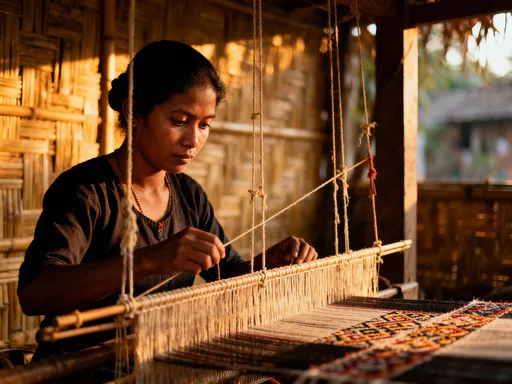
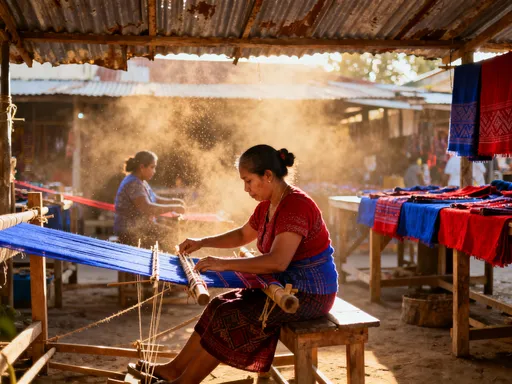
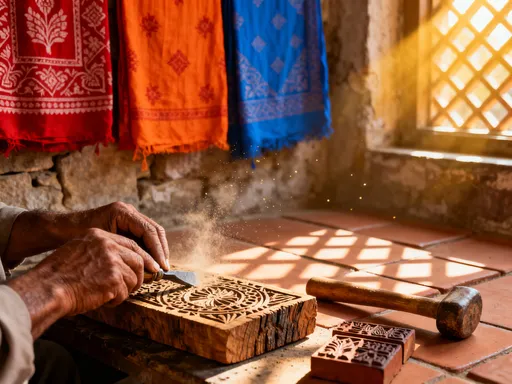
Second is the Bukit Shahbandar Forest Trail, located just 15 minutes from the city center. This 4-kilometer loop is ideal for beginners, featuring a raised boardwalk that protects the fragile undergrowth while offering views of pitcher plants and tree frogs. The trail often connects to the monthly Cultural Village Day in nearby Kiulap, where artisans demonstrate weaving, wood carving, and silverwork. Hikers frequently arrive just as the afternoon performances begin — a chance to witness the Brunei Malay dance, with its graceful hand movements and flowing costumes, performed in an open-air pavilion surrounded by frangipani trees.
Third is the Sungai Liang Eco-Trail, a 6-kilometer path through secondary forest that leads to a community-run eco-park. Known for its crystal-clear stream and natural swimming holes, this trail is especially popular during school holidays. But its true highlight comes during the annual Craft and Harvest Fair, when villagers display handwoven baskets, natural dyes, and jungle honey. Hikers are invited to try their hand at traditional games or sample dishes made from foraged ingredients. One visitor described the moment of emerging from the forest into the festival clearing as “stepping into a storybook — one where the people remember your name, even if you’ve never met.”
Respecting Local Customs During Festive Hikes
In a world where cultural tourism can sometimes feel transactional, Brunei offers a different model — one rooted in mutual respect and quiet presence. When hiking to festivals, visitors are not customers but guests, and the etiquette reflects that. Modest dress is not merely a suggestion; it is a sign of respect for the community’s values. Sleeveless tops, shorts above the knee, and revealing swimwear should be avoided, especially when entering prayer spaces or attending religious events.
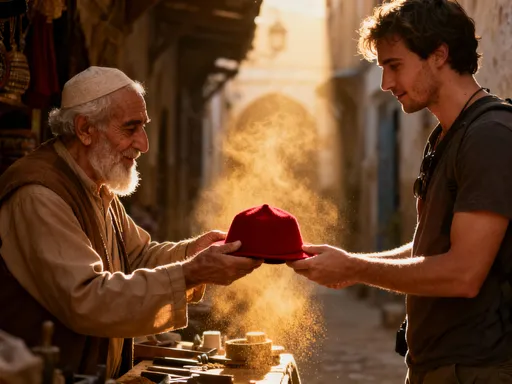
Photography is welcome, but always with permission. Rather than snapping candid shots, take a moment to smile, gesture, and ask — a simple “Boleh ambil gambar?” (May I take a photo?) goes a long way. Many locals are happy to pose if approached kindly, and some may even share the story behind their traditional attire or handmade crafts. The goal is not to capture content for social media, but to build human connection.
Understanding the rhythm of daily life is equally important. In Muslim-majority communities, prayer times interrupt public activities, and loud music or boisterous behavior during these hours is inappropriate. Similarly, during Ramadan, eating, drinking, or smoking in public during daylight hours is prohibited. These aren’t restrictions — they are invitations to slow down, observe, and participate with humility. When hikers honor these customs, they are not just tolerated — they are embraced. One elder in a riverside village once said, “We don’t mind if you don’t know our ways. What matters is that you try.”
Why This Fusion of Hiking and Festival Matters
The merging of hiking and cultural celebration in Bandar Seri Begawan represents more than a travel trend — it embodies a philosophy of mindful exploration. In an age of fast tourism, where destinations are often reduced to checklists and selfies, this experience invites travelers to move slowly, listen deeply, and arrive with intention. Every step through the forest is a step toward understanding — not just of Brunei’s natural beauty, but of its people, their values, and their way of life.
This form of travel also supports sustainability. By choosing to hike rather than drive, visitors reduce their carbon footprint. By attending local festivals, they contribute directly to community economies, whether through purchasing handmade goods or simply sharing a meal. There’s no need for imported entertainment or artificial attractions — the culture is real, the food is homegrown, and the welcome is genuine.
Perhaps most importantly, this journey fosters empathy. It reminds us that traditions are not static displays, but living practices shaped by land, history, and faith. When a hiker arrives at a festival dusty and tired, offered a seat and a cup of warm drink, they receive more than hospitality — they receive belonging. And in that moment, the boundary between visitor and local blurs, replaced by a shared humanity.
Brunei’s capital may be small in size, but its lessons are vast. It shows us that adventure doesn’t require extreme conditions — it requires openness. That culture isn’t something to be consumed, but to be entered into with care. And that the most meaningful journeys are not measured in miles, but in moments of connection. So lace up your boots, follow the trail, and let the rhythm of the gongs guide you home — not to a destination, but to a deeper sense of place.