You Won’t Believe What I Found in Tunis’ Hidden Markets
Wandering through Tunis, I stumbled upon something magical—the soul of the city beats loudest in its markets. More than just places to shop, these vibrant spaces are where culture comes alive. From handwoven textiles to centuries-old spice stalls, every corner tells a story. If you're looking for authentic experiences, this is where to start. Let me take you inside the real Tunisia, one market at a time.
The Heartbeat of Tunis: Souk El Attarine
Souk El Attarine, nestled in the heart of the Medina of Tunis—a UNESCO World Heritage site—is not merely a marketplace but a living archive of scent, memory, and tradition. As one steps beneath its arched stone passageways, the air thickens with the perfume of centuries. Saffron glows like golden dust in woven baskets, while amber-hued bottles of rosewater and orange blossom essence catch the slanted light. The scent of myrrh and frankincense lingers like a whispered prayer, a reminder of the incense routes that once linked North Africa to the Arabian Peninsula and beyond. This souk, whose name translates to 'the perfumers’ market,' has been a center of aromatic commerce since the 13th century, thriving under Hafsid rule and later evolving through Ottoman influence.
What makes Souk El Attarine extraordinary is not just its sensory richness, but its role as a preserver of knowledge. Here, elderly vendors speak of distillation techniques passed down through generations—methods that rely on copper stills, precise timing, and an intimate understanding of botanicals. Some families have maintained perfume recipes for over 200 years, blending jasmine from the Cap Bon region with myrtle from the Sahel. These are not mass-produced fragrances but olfactory heirlooms, each vial carrying the legacy of a lineage. Visitors often come seeking souvenirs, but they leave with something deeper: a connection to a craft that predates modern perfumery by centuries.
The souk’s architecture itself tells a story. Vaulted ceilings channel airflow to keep delicate essences from evaporating too quickly, while narrow alleys create microclimates ideal for preserving volatile oils. Small wooden counters, worn smooth by generations of hands, hold antique scales and glass stoppers that have seen decades of trade. In this space, commerce is intertwined with ritual—many locals still buy rosewater for religious ceremonies or use herbal blends for wellness practices rooted in Andalusian medicine. To walk through Souk El Attarine is to witness a living tradition, where every scent is a chapter in Tunisia’s cultural narrative.
From Dye Vats to Woven Dreams: The Craftsmanship of Souk El Trouk
Souk El Trouk, known historically as the market of the Turks, is a quiet testament to the fusion of Ottoman and Berber craftsmanship. Located just east of the Zitouna Mosque, this artisan quarter specializes in woolen garments, particularly the burnous—a traditional hooded cloak worn across North Africa for centuries. The burnous is more than clothing; it is a symbol of dignity, resilience, and regional identity. Made from thick, hand-spun wool, it is designed to withstand the cold mountain nights of the Tunisian interior, where Berber communities have long relied on its warmth.
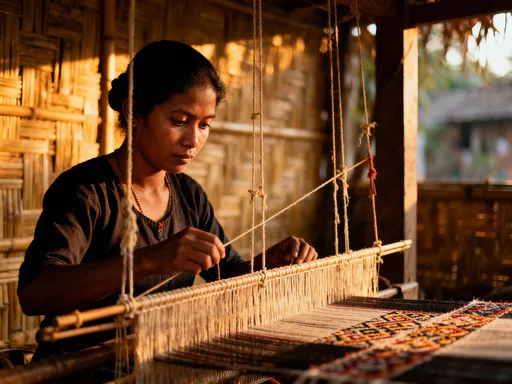
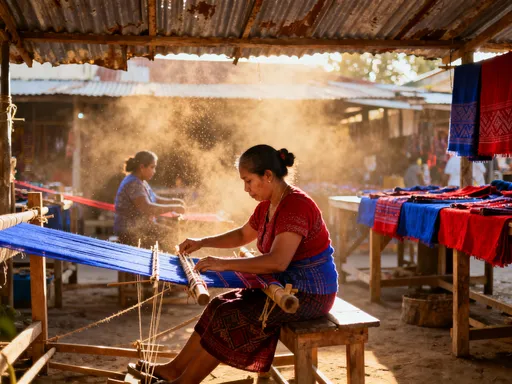
The making of a single burnous can take weeks. Artisans begin with raw sheep’s wool, cleaned and carded by hand before being spun on wooden spindles. The dyeing process is where artistry truly unfolds. Natural pigments derived from henna, indigo, and pomegranate rinds are used to create deep reds, earthy browns, and rich blues. Some workshops still use centuries-old copper vats, heating dyes over low flames to ensure even saturation. The patterns, often subtle and geometric, reflect Berber symbolism—diamonds representing fertility, zigzags evoking mountain paths. These motifs are not merely decorative; they are a silent language, preserving stories and beliefs across generations.
Today, the artisans of Souk El Trouk face both challenges and opportunities. While demand for traditional garments has declined among younger Tunisians, there is growing interest from cultural tourists and designers seeking authentic materials. Some weavers have begun collaborating with fashion houses in Europe, adapting traditional techniques for modern coats and accessories. Yet, they remain committed to their heritage, refusing to compromise on handcrafting methods. Visitors who take the time to speak with these artisans often leave with more than a garment—they gain insight into a way of life that values patience, precision, and pride. Supporting these craftspeople is not just ethical consumption; it is an act of cultural stewardship.
A Treasure Hunt in Souk El Berka: Jewelry, History, and Identity
Souk El Berka, once the site of a slave market during the Ottoman era, has undergone a profound transformation. Today, it is a glittering corridor of goldsmiths, jewelers, and antique dealers, its name now synonymous with craftsmanship rather than sorrow. The shift from a place of human trade to one of artistic creation is a powerful symbol of resilience. As sunlight filters through the high latticework of the souk’s ceiling, it dances across trays of intricately worked gold—filigree earrings, signet rings, and pendants shaped like the khamsa, or 'hand of Fatima,' a protective amulet deeply embedded in Tunisian culture.
Jewelry in Souk El Berka is far more than adornment. It is a vessel of meaning, often given during rites of passage—births, weddings, and religious milestones. The khamsa, for instance, is believed to ward off the evil eye, its open palm a universal gesture of blessing and defense. Other motifs include the eye itself, stylized fish, and geometric patterns inspired by Islamic art. Many pieces are made using techniques unchanged for generations: fine gold threads are twisted by hand, then soldered into lace-like designs. Engraving is done with precision tools, each line carved with care. Some jewelers specialize in restoring antique pieces, breathing new life into family heirlooms that have survived wars, migrations, and time.
For visitors, purchasing jewelry here requires mindfulness. While most vendors operate with integrity, the sale of antiques raises ethical questions. Some pieces may have been removed from archaeological sites or sold under duress. Experts recommend buying from licensed dealers who can provide provenance, and avoiding items that appear looted or undocumented. Additionally, it is wise to understand the cultural significance of what one buys—wearing a khamsa as a fashion statement without understanding its protective role can feel dismissive to locals. When approached with respect, however, shopping in Souk El Berka becomes a meaningful exchange—a way to honor Tunisia’s artistic legacy while supporting artisans who keep it alive.
Souk El Leffa: Where Threads Tell Stories
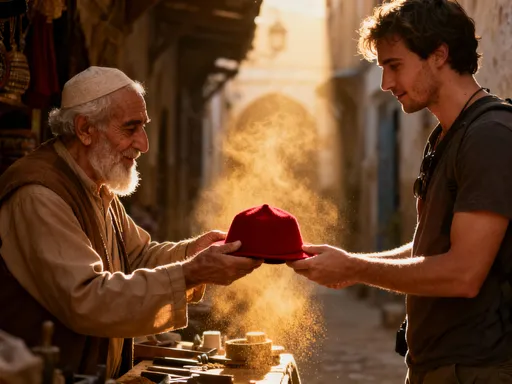
Souk El Leffa is the soul of Tunisian textile tradition, a narrow lane lined with shops overflowing with hand-loomed fabrics, woolen shawls, and the iconic chechia—the traditional red felt hat that has become a national symbol. The chechia’s origins trace back to the 15th century, when Andalusian Muslims fleeing Spain brought their dyeing techniques to Tunisia. Over time, it became a marker of identity, worn by scholars, merchants, and everyday men. Today, while fewer Tunisians wear it daily, the chechia remains a powerful emblem of heritage, often seen at weddings and national celebrations.
The process of making a chechia is labor-intensive and highly specialized. Artisans begin with raw wool, which is boiled, felted, and shaped over wooden molds. The red dye, once derived exclusively from the kermes insect, is now often replaced with synthetic alternatives, though some workshops still use natural sources. After dyeing, the hats are sun-dried, then polished with smooth stones to achieve a soft sheen. Each stage requires skill passed down through apprenticeships, often within the same family for generations. In recent decades, however, the number of chechia makers has dwindled from over 300 to fewer than 30, threatening the survival of this craft.
Efforts to revive Souk El Leffa’s textile traditions are underway. Cultural organizations have launched initiatives to train young artisans, while government programs offer subsidies to keep workshops open. Some designers are reimagining the chechia for modern tastes—offering smaller, stylized versions or incorporating it into haute couture. Family-run stalls in the souk continue to serve loyal customers, many of whom have been buying from the same vendor for decades. These relationships are built on trust, with artisans remembering sizes, preferences, and even family histories. To walk through Souk El Leffa is to witness a fragile but enduring ecosystem of craft, memory, and community.
Beyond the Medina: Modern Meets Traditional at Tunis City Center
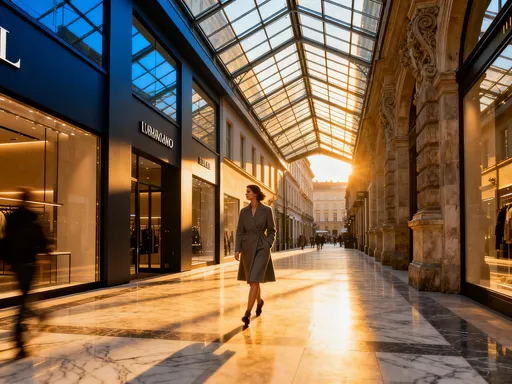
Just a short drive from the ancient Medina lies Tunis City Mall, a modern complex that reflects the evolving tastes of Tunisia’s urban population. Here, global brands like Zara and Starbucks stand alongside local boutiques showcasing Tunisian design. This juxtaposition is not a rejection of tradition, but a negotiation between heritage and modernity. While some fear that globalization will erode local culture, others see opportunity—a chance to reinterpret Tunisian identity for a new generation.
Within the mall, a growing number of designers are integrating traditional elements into contemporary fashion. One brand features djellabas reimagined with minimalist cuts and neutral tones, appealing to young professionals. Another uses embroidery patterns from the island of Djerba to decorate denim jackets. These innovations are not mere trends; they are part of a broader movement to keep Tunisian craftsmanship relevant. Pop-up markets and design collectives, often hosted in the mall’s event spaces, bring artisans from the souks into dialogue with urban consumers. These events allow visitors to meet the makers, watch live demonstrations, and purchase directly, bypassing mass-market intermediaries.
The presence of modern shopping centers does not diminish the value of the old souks; rather, it creates a spectrum of cultural engagement. For the traveler, visiting both offers a fuller picture of Tunisia—its deep roots and its dynamic present. While the Medina preserves the past, spaces like Tunis City Mall help ensure that Tunisian culture continues to evolve. The challenge lies in balance: honoring authenticity without romanticizing stagnation, embracing innovation without losing soul. When done thoughtfully, this fusion can empower local creators and inspire a new appreciation for heritage.
How to Shop Respectfully: Etiquette, Bargaining, and Cultural Sensitivity
Shopping in Tunis is not a transaction; it is a relationship. Unlike the efficiency-driven exchanges common in Western retail, commerce in the souks unfolds at a human pace. Vendors often begin with a greeting, offer tea, and engage in conversation before any business is discussed. This is not a sales tactic—it is hospitality. Understanding this rhythm is essential for respectful engagement. Rushing through a purchase or treating haggling as a game can offend. Bargaining is expected in most souks, but it should be done with politeness and fairness. Starting at half the asking price and negotiating upward is common, but walking away without courtesy is not.
One of the most important rules is to ask permission before taking photographs. Many artisans are happy to be photographed, especially if they believe it will bring attention to their work. However, snapping pictures without consent—particularly of people in vulnerable or labor-intensive situations—can feel exploitative. A simple smile and gesture can go a long way. Similarly, carrying small bills is practical and considerate. Many vendors lack access to change, and offering a large note can create inconvenience.
Recognizing authentic craftsmanship is another key aspect of responsible shopping. Mass-produced imports from Asia are often sold alongside handmade goods, sometimes at similar prices. To distinguish the two, look for imperfections—slight variations in dye, hand-stitching, or natural materials. Ask questions: Where was this made? Who made it? How long did it take? Artisans are usually proud to share their process. When in doubt, buy from cooperatives or government-certified shops that guarantee authenticity. By shopping with awareness, travelers support not just individuals, but an entire ecosystem of cultural preservation.
Why These Markets Matter: Preserving Culture One Purchase at a Time
The markets of Tunis are more than tourist attractions—they are vital organs of cultural continuity. Each purchase made from a local artisan contributes to the survival of endangered crafts, from chechia-making to natural dyeing. These traditions are not static relics; they are living practices that require economic support to endure. When a traveler buys a handwoven scarf or a piece of filigree jewelry, they are not merely acquiring a souvenir—they are participating in an act of cultural preservation.
Behind every item is a story of resilience. The weaver who rises before dawn to card wool, the jeweler who spends days perfecting a single earring, the spice seller who remembers his grandfather’s recipes—these are the people keeping Tunisia’s heritage alive. Yet many face mounting pressures: competition from cheap imports, declining interest from younger generations, and the rising cost of materials. Without sustained demand, these crafts risk fading into memory. Mindful tourism offers a solution. By choosing authenticity over convenience, travelers help create a market for quality, sustainability, and tradition.
Moreover, these markets foster community. They are spaces where elders pass knowledge to youth, where neighbors gather to share news, where identity is reinforced through shared symbols and practices. In a world increasingly dominated by digital transactions and impersonal exchanges, the souks offer a rare alternative—a model of commerce rooted in dignity, connection, and care. To support them is to affirm the value of human skill, cultural diversity, and slow, intentional living.
Tunis’ markets are more than retail spaces—they are guardians of memory, identity, and community. Each purchase carries the weight of tradition and the hope of continuity. By choosing to explore and engage with care, travelers don’t just take home treasures; they help keep a culture alive. Next time you’re in Tunis, step into a souk—not as a tourist, but as a witness to resilience.