You Won’t Believe These Malacca Viewpoints Are Real
Malacca isn’t just about street art and heritage walls—its viewpoints steal the show. From hidden rooftops to riverside corners, I’ve chased sunsets and cityscapes that feel almost too perfect to be real. These spots transformed my trip from ordinary to Instagram gold. If you're hunting for that *one* shot that stops the scroll, Malacca’s quiet vantage points deliver—no filter needed. This historic city, nestled along the southern coast of Malaysia, offers more than museums and spice markets. It reveals its soul in the quiet moments—when light spills over terracotta rooftops, when river reflections mirror centuries-old facades, and when a single elevated glance captures the harmony of old and new. These are the views that linger long after the journey ends.
Why Viewpoints Make or Break a Travel Experience
Great travel memories are often shaped not by what we do, but by what we see. A powerful viewpoint does more than offer a scenic backdrop—it shifts perspective, literally and emotionally. Standing at an elevated vantage point allows travelers to take in the full scope of a destination, transforming fragmented street-level impressions into a coherent, breathtaking whole. This sense of scale and context turns a simple visit into a meaningful experience. Panoramic views awaken wonder, spark reflection, and often become the defining images of a trip.
Psychologically, such moments are deeply memorable. Studies in environmental psychology suggest that expansive views—especially those combining natural and urban elements—trigger positive emotional responses, including calm, awe, and a sense of freedom. These feelings are amplified when the view is earned, whether through a short climb, a quiet discovery, or perfect timing. The brain encodes these moments with greater clarity, making them more vivid in memory than routine experiences. A sunset over the Malacca River from a hidden rooftop isn’t just a photo—it becomes a mental sanctuary revisited in quiet moments at home.
In today’s travel culture, where visual storytelling shapes itineraries, viewpoints have become central to the journey itself. The rise of “photo-first” travel planning means many travelers research and prioritize locations based on their photographic potential. Platforms like Instagram and Pinterest have turned scenic overlooks into must-visit destinations. But beyond social sharing, these views serve a deeper purpose: they encourage mindfulness. When you pause to frame a shot, adjust your focus, or simply absorb a skyline, you are fully present. In Malacca, where history unfolds in layers, a single elevated glance can tell a story centuries in the making.
Malacca’s Unique Urban Landscape: A Photographer’s Playground
What makes Malacca so uniquely photogenic is the harmony of its urban fabric. Unlike sprawling modern cities, Malacca’s compact historic core preserves a rare blend of architectural eras—Dutch colonial buildings with arched windows, Portuguese-influenced pastel facades, Chinese shophouses with ornate carvings, and Islamic motifs woven into public spaces. This rich tapestry unfolds along winding streets and the gentle curve of the Malacca River, creating a skyline that feels both intimate and grand. From above, the city resembles a living diorama, where every rooftop and alleyway whispers a piece of history.
The city’s manageable size is a gift for photographers and casual sightseers alike. Unlike larger capitals where viewpoints require long commutes or expensive entries, Malacca’s best perspectives are often just a short walk from the main tourist areas. You don’t need a car or a tour guide to find them. Many are tucked into everyday spaces—a café on the second floor, a quiet temple courtyard, or a bridge over the river. This accessibility means travelers can explore at their own pace, discovering views organically rather than chasing crowds.
Moreover, Malacca’s commitment to heritage preservation enhances its visual appeal. Strict building regulations in the UNESCO-listed historic zone ensure that modern developments blend respectfully with older structures. As a result, the skyline remains uncluttered, free of towering glass buildings that might disrupt the city’s charm. This balance allows for clean, timeless compositions in photographs—whether capturing the warm glow of street lamps at dusk or the contrast between red-tiled roofs and lush tropical trees. For anyone who appreciates authenticity in travel, Malacca’s urban landscape offers a rare visual honesty.
Top 3 Rooftop Spots for Golden Hour Magic
Golden hour—the soft, warm light that bathes the city just after sunrise and before sunset—is when Malacca truly comes alive. And few places showcase this transformation better than its accessible rooftops. While some are part of luxury hotels, others belong to cozy cafés that welcome visitors with a drink purchase. These elevated platforms offer unobstructed views of the city’s skyline, where the interplay of light and shadow turns ordinary streets into cinematic scenes.
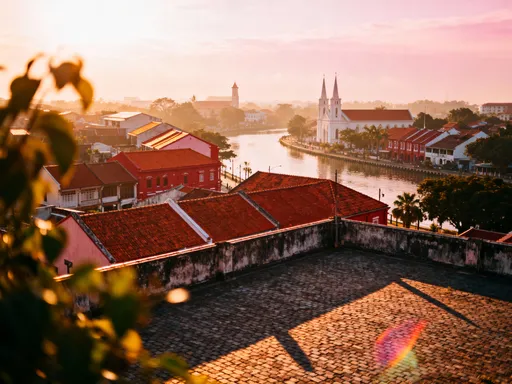
One of the most reliable spots is the rooftop café near Jonker Street, tucked above a row of heritage shophouses. From here, the view stretches across the red-tiled rooftops toward the distant hills, with the occasional church spire breaking the horizon. Arriving 45 minutes before sunset ensures a good seat and the chance to watch the light evolve. As the sun dips lower, the buildings glow in amber and rose hues, and the river begins to reflect the colorful facades like a mirror. For photography, a smartphone with portrait mode or a lightweight mirrorless camera works beautifully. A small tripod helps stabilize long-exposure shots as daylight fades.
Another favorite is the viewing terrace of a boutique hotel near the Stadthuys. Though primarily for guests, day visitors can access it by booking a drink at the lounge. The advantage here is the wide-angle perspective—it captures the heart of the historic district, including the iconic red clock tower and the bustling pedestrian zone. The absence of overhead wires and modern signage keeps the scene timeless. Photographers can experiment with framing—using archways or wooden beams as natural borders—or focus on details like steam rising from a street vendor’s cart below.
A third gem is a lesser-known rooftop above a family-run coffee shop near the river’s edge. Less polished than the others, it offers raw authenticity. Locals gather here in the evenings, sipping traditional kopi while watching the world go by. The view looks downstream, where illuminated boats drift slowly past colorful murals and lantern-lit walkways. The atmosphere is relaxed, unhurried—the perfect setting for capturing candid moments. Whether you’re shooting wide landscapes or intimate details, these rooftops prove that Malacca’s magic isn’t just at ground level—it’s in the air above.
The Hidden Church Tower That Changed Everything
Sometimes the most unforgettable views come from the least expected places. For me, that moment came atop a modest church tower on the edge of the historic district. Unlike the crowded landmarks, this 19th-century Anglican church maintains a quiet presence, its whitewashed walls and tall windows blending into the neighborhood. But climb the narrow, spiral staircase inside, and you’re rewarded with a 360-degree panorama that few tourists ever see. From this height, Malacca unfolds in every direction—colonial rooftops, the winding river, patches of greenery, and the gentle curve of the coastline in the distance.
Access to the tower is limited and respectful. Visitors are asked to check in at the church office, remove their shoes, and speak softly out of reverence for the space. Photography is allowed, but flash is discouraged. There’s no entrance fee, though a small donation is appreciated. The experience feels intimate, almost sacred—not because of grandeur, but because of stillness. Standing there, with the breeze drifting through the open arches, you feel disconnected from the tourist trail and deeply connected to the city’s essence.
What struck me most was the clarity of vision—both literal and metaphorical. At street level, Malacca can feel busy, layered with noise and movement. But from above, the chaos resolves into order. You see how the river connects neighborhoods, how footbridges link communities, and how green spaces break up the urban fabric. It’s a reminder that cities are not just collections of buildings, but living systems shaped by people and time. This tower didn’t just offer a photo opportunity; it offered understanding. For travelers seeking depth over spectacle, such quiet vantage points are invaluable.
Riverside Walks with Picture-Perfect Framing
The Malacca River is more than a scenic feature—it’s the city’s visual spine. Lined with restored shophouses painted in soft yellows, blues, and greens, the river reflects the sky and architecture in shimmering ribbons of color. Along its banks, pedestrian walkways invite slow exploration, offering countless framed views that feel like living paintings. At sunrise and sunset, the water becomes a natural canvas, doubling the beauty of the city in mirror-like reflections.
Certain stretches are especially photogenic. The section between the old bridge and the Harmony Street crossing provides ideal conditions for long-exposure photography. With a tripod and a neutral density filter, you can capture the smooth glide of riverboats as streaks of light against the colorful backdrop. Silhouettes of couples walking along the railing or vendors setting up their evening stalls add narrative depth. The gentle curve of the river also creates natural leading lines, guiding the eye through the composition.
But beyond technique, what makes these riverside walks special is the authenticity of daily life. Children play near the water’s edge, elders practice tai chi at dawn, and artists set up easels to paint the scene. These moments infuse your photos with soul, transforming them from postcard images into personal stories. Unlike staged attractions, this is real life unfolding in a beautiful setting. For family travelers, especially women who value connection and meaning in their journeys, these quiet observations often become the most cherished memories.
Even on overcast days, the river retains its charm. Cloudy skies diffuse the light, reducing harsh contrasts and enhancing color saturation. Rain-washed streets glisten, and the reflections become even more vivid. A compact umbrella and water-resistant bag make it easy to enjoy these moody, atmospheric conditions. Whether you’re capturing the glow of lanterns at night or the soft pastels of a misty morning, the riverside offers endless inspiration.
Practical Tips for Capturing the Moment (Without the Crowds)
One of the challenges of visiting popular destinations is timing. Malacca’s main attractions can get crowded, especially on weekends and during festivals. But with a little planning, it’s entirely possible to experience the city’s best viewpoints in peace. The key is to visit early. Arriving at rooftops or riverside spots between 6:00 and 7:30 a.m. means you’ll often have the place to yourself. The light is soft, the air is cool, and the city feels hushed and full of promise.
Similarly, late afternoon visits—two to three hours before sunset—allow you to secure a good position before the golden hour rush. Many tour groups follow a standard schedule, arriving at major sites in mid-morning or just before dusk. By shifting your timing slightly, you avoid the crowds and gain a more personal experience. Even on busy days, a five-minute detour down a side street can lead to a quiet corner with an equally stunning view.
When it comes to gear, less is more. A smartphone with a good camera is sufficient for most travelers. Add a compact tripod that fits in a day bag, and you can take stable, long-exposure shots without carrying heavy equipment. A portable foldable stool is another smart addition, especially for older travelers or those who prefer to rest while waiting for the perfect light. Comfortable walking shoes, a wide-brimmed hat, and a refillable water bottle complete the essentials.
Equally important is etiquette. Many viewpoints are near private homes, places of worship, or small businesses. Always ask permission before entering restricted areas, keep noise to a minimum, and avoid blocking walkways while taking photos. Respectful behavior ensures these spaces remain open to visitors. It also fosters goodwill with locals, who may offer tips or invite you into a family-run café for a cup of tea. These small interactions often become the highlights of a trip.
From Snapshot to Story: Elevating Your Travel Narrative
A photograph is more than a record—it’s a vessel for emotion, memory, and meaning. In an age of digital overload, the most powerful images are those that tell a story. A great viewpoint provides the setting, but it’s the traveler’s attention and intention that turn a snapshot into a lasting narrative. In Malacca, every elevated glance offers not just a view, but a moment of connection—to history, to place, to self.
Consider how you engage with what you see. Instead of rushing from one photo spot to the next, pause. Breathe. Notice the scent of frangipani in the air, the sound of distant laughter, the warmth of the sun on your skin. These sensory details enrich your memories and give depth to your photos. When you later share an image of the river at dusk, it won’t just show a place—it will evoke a feeling, a moment suspended in time.
For many women in their 30s to 50s, travel is not just about escape, but about renewal and reflection. A quiet rooftop at dawn, a riverside bench at twilight—these are spaces where you can reconnect with yourself. The act of capturing a beautiful view becomes a form of mindfulness, a way to slow down and appreciate the present. And when you return home, those images serve as anchors—reminders of peace, beauty, and personal discovery.
Sharing these moments doesn’t have to mean posting online. Print your favorite photo, frame it, and place it where you’ll see it daily. Create a simple album for family and friends. Let your travel story unfold through conversation, not just captions. In doing so, you honor the experience—and the city that made it possible.
Conclusion
Malacca’s charm isn’t just in its pastel buildings or hawker stalls—it’s in the way the city reveals itself from above and afar. These viewpoints offer more than great photos; they deliver moments of awe, clarity, and quiet joy. For any traveler chasing beauty with meaning, Malacca’s elevated perspectives are waiting—subtle, stunning, and absolutely worth the climb. Whether you’re standing atop a historic church tower, sipping coffee on a hidden rooftop, or walking the river’s edge at twilight, you’re not just seeing the city—you’re understanding it. And in that understanding, you find not just memories, but transformation. Let your next journey be one of vision—both through the lens and within yourself.