Wild Beauty, Untamed: Inside Kruger’s Hidden Heart
Imagine standing where the air hums with life, where every rustle in the bush could mean a leopard on the move or an elephant herd approaching. I’m talking real wilderness—raw, protected, and breathtaking. Kruger National Park isn’t just a destination; it’s a sanctuary where nature runs deep and wild. This is conservation in action, where every game drive, night walk, and quiet moment connects you to something ancient and vital. Spanning nearly 20,000 square kilometers across northeastern South Africa, Kruger stands as one of Africa’s oldest and most respected national parks. It’s not simply a place to see animals—it’s a living, breathing model of how humans and wild spaces can coexist. Let me take you behind the scenes of one of the continent’s most remarkable protected areas.
First Glimpse: What Makes Kruger More Than Just a Safari Spot
Kruger National Park is more than a collection of animals in a fenced reserve—it is a carefully balanced ecosystem that has evolved over centuries and continues to thrive under thoughtful stewardship. Established in 1898, it ranks among Africa’s earliest protected areas and remains one of the largest, stretching from the Crocodile River in the south to the Limpopo River in the north. Its vast size allows for natural animal migrations, diverse habitats, and complex food webs that smaller parks cannot sustain. Unlike many wildlife reserves that focus solely on tourism appeal, Kruger was created with conservation as its core mission. This means that roads are limited, visitor numbers are managed, and large sections remain closed to the public—preserved not for human enjoyment, but for ecological integrity.
Entering Kruger from one of its official gates—Skukuza, Phabeni, or Punda Maria—marks a shift not only in landscape but in mindset. The noise of traffic fades. The horizon opens into golden grasslands dotted with umbrella-shaped acacias and thickets of marula trees. Suddenly, your senses sharpen. A distant trumpet. A flicker of movement in the underbrush. You are no longer in control; you are a guest in a world governed by instinct, survival, and rhythm older than civilization. This awareness—that you are stepping into a space managed first for nature—is what sets Kruger apart from typical safari destinations. It’s not a zoo with open skies; it’s a functioning wilderness where every species, from the dung beetle to the lion, plays a role in the greater balance.
What visitors often don’t realize is how much unseen work goes into maintaining this illusion of untouched wildness. Behind the scenes, scientists, rangers, and conservationists monitor water sources, track animal populations, and respond to threats like drought or poaching. The park’s design intentionally limits infrastructure. There are no sprawling resorts or helicopter tours. Instead, accommodations are low-impact, blending into the environment. This philosophy ensures that Kruger remains a refuge—not just for wildlife, but for the human spirit seeking connection with something authentic and enduring.
The Pulse of Protection: How Kruger’s Ecosystem Stays Alive
At the heart of Kruger’s success lies a complex web of ecological systems working in harmony. The park spans multiple biomes: open savanna in the central region, dense riverine forests along the Sabie and Olifants Rivers, and rocky outcrops in the west that support unique plant communities. These varied landscapes create niches for over 147 mammal species, more than 500 bird species, and countless reptiles, insects, and plant life. Among them are the famed Big Five—lion, leopard, rhinoceros, elephant, and buffalo—whose presence draws global attention, but whose survival depends on the health of the entire ecosystem.
One of the park’s most effective conservation tools is the use of wildlife corridors. Unlike isolated reserves, Kruger connects with surrounding protected areas through unfenced boundaries, allowing animals to move freely across the Greater Kruger landscape. This connectivity is crucial for genetic diversity, especially for wide-ranging species like elephants and leopards. When animals can migrate naturally, they avoid inbreeding, reduce pressure on local resources, and respond to seasonal changes in water and food availability. These corridors are not accidental; they are the result of decades of collaboration between government agencies, private reserves, and conservation NGOs.
Protection also means active defense. Kruger faces ongoing threats from poaching, particularly targeting rhinos for their horns. In response, the park has developed one of Africa’s most advanced anti-poaching systems. Highly trained ranger units conduct 24-hour patrols, often on foot or in unmarked vehicles, supported by thermal imaging drones, GPS tracking, and intelligence networks. Animals like rhinos and elephants are fitted with satellite collars to monitor their movements in real time. These technologies do not replace human presence—they enhance it, allowing rangers to respond swiftly to disturbances and deter illegal activity before it escalates.
Equally important is the balance between protection and public access. Tourism generates essential funding for conservation, but unregulated visitation can damage fragile habitats. To prevent this, Kruger enforces strict rules: vehicles must stay on designated roads, night driving is limited to guided safaris, and off-road driving is prohibited except in emergencies. Camps are strategically placed to minimize environmental impact, and waste is carefully managed. This regulated approach ensures that visitors can experience the wild without compromising its survival. It’s a model that proves conservation and tourism can support each other—when done responsibly.
Off the Beaten Track: Discovering Kruger’s Lesser-Known Corners
While many visitors follow the main routes in search of lions and elephants, some of Kruger’s most profound experiences happen far from the crowds. In the southern basalt region, where the soil is rich and vegetation dense, guided bush walks offer a completely different way to engage with the landscape. Moving on foot, led by an armed ranger, transforms the safari from passive observation to immersive exploration. You learn to read the bush: the shape of a paw print in the sand, the freshness of elephant dung, the alarm call of a francolin signaling a predator nearby. These small details create a deeper understanding of how life functions in the wild.
Remote camps like Orpen, Balule, and Tsendze provide access to quieter zones where wildlife behaves more naturally. Without the constant hum of vehicles, the sounds of the night come alive—hyenas whooping in the distance, owls calling from the treetops, the occasional roar of a lion echoing across the plains. Stargazing here is unforgettable. With minimal light pollution, the Milky Way stretches across the sky like a river of diamonds. Some camps offer astronomy talks or night walks that combine celestial education with sensory awareness, helping visitors appreciate the vastness of both the universe and the natural world beneath their feet.
Birdwatching along the Sabie River offers another layer of discovery. The riverine forest is home to kingfishers, hornbills, fish eagles, and the rare Pel’s fishing owl. Patient observation from a viewing deck can yield sightings that no game drive can match. Similarly, the mopane woodlands in the north support specialized species like the sable antelope and the shy nyala. These areas may not promise daily leopard sightings, but they offer intimacy, stillness, and a chance to witness nature on its own terms.
By choosing these less-traveled paths, visitors do more than enhance their own experience—they contribute to conservation. Reduced traffic in sensitive areas means less disturbance to wildlife and less erosion of roads and riverbanks. It also spreads tourism benefits more evenly across the park, reducing pressure on popular rest camps like Satara and Lower Sabie. When travelers seek quiet corners, they help preserve the very wildness they come to see.
Voices of the Wild: Meeting the People Who Guard the Land
Behind every successful conservation story are people—dedicated, resilient, and deeply committed to protecting what they love. In Kruger, these individuals are the rangers, ecologists, and field technicians who work in the shadows, often at great personal risk. A typical day for a field ranger begins before dawn: checking equipment, reviewing patrol zones, and briefing team members. Their duties range from monitoring animal movements to removing snares, collecting data, and engaging with neighboring communities to prevent human-wildlife conflict.
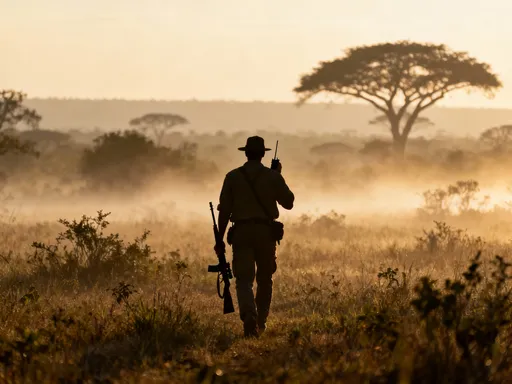
Night patrols are among the most challenging. Armed with rifles and night-vision gear, rangers move silently through the bush, listening for unusual sounds or tracking suspicious heat signatures on thermal scopes. These operations are not just about confronting poachers—they’re about prevention. The presence of patrols deters illegal activity, and early detection can save lives. One ranger recounted a mission where a rhino was found with a fresh dart wound but still alive; thanks to rapid response, the animal was treated and survived. Moments like these underscore the emotional weight of the job—each animal lost feels like a personal failure, each rescue a hard-won victory.
Field ecologists play a complementary role, using science to guide conservation decisions. They conduct aerial surveys to estimate elephant populations, analyze camera trap footage to track leopard densities, and study vegetation changes to assess the impact of climate and grazing. Their work is meticulous, often involving long hours in remote field stations with limited connectivity. Yet their findings inform everything from fire management plans to anti-poaching strategies, ensuring that actions are based on evidence, not guesswork.
What drives these individuals is not fame or reward, but a deep sense of purpose. Many come from nearby communities, bringing local knowledge and a personal stake in the park’s success. Training programs supported by SANParks (South African National Parks) and international partners equip them with skills in tracking, first aid, wildlife medicine, and conflict resolution. Their work extends beyond the park boundary—engaging schools, hosting community meetings, and promoting sustainable livelihoods like eco-tourism. In this way, conservation becomes not just a mission, but a shared responsibility.
Travel That Gives Back: Choosing Responsible Ways to Explore
Visiting Kruger is not a passive act—it’s an opportunity to support conservation. Every entrance fee, every night spent in a public rest camp, contributes directly to park management. But travelers can go further by making mindful choices. Selecting ethical tour operators who follow park guidelines, employ local guides, and prioritize environmental education ensures that tourism dollars benefit both nature and people. Staying in eco-certified lodges that use solar power, recycle water, and minimize plastic waste reduces your footprint while setting an example for others.
Some visitors choose to deepen their involvement through volunteer programs. While direct participation in anti-poaching or animal handling is restricted for safety and legal reasons, there are meaningful ways to contribute. Citizen science initiatives allow guests to assist researchers by recording bird sightings, photographing animal tracks, or helping with vegetation surveys. Some private reserves within the Greater Kruger offer short-term conservation experiences, such as fence removal projects or alien plant clearing, that give hands-on insight into land restoration.
Guided eco-drives, led by experienced rangers or accredited guides, emphasize observation over pursuit. Instead of racing to a lion sighting reported on the radio, these safaris focus on interpreting the environment—how termites build mounds that regulate temperature, how vultures circle over distant carcasses, how dung beetles navigate by the stars. These moments of insight foster respect and curiosity, transforming a wildlife tour into a learning journey.
Equally important is what visitors choose not to do. Avoiding off-road driving protects delicate soils and plant life. Respecting speed limits prevents accidents with animals crossing roads. Not feeding wildlife maintains natural behaviors and prevents dependency. Simple actions—carrying reusable water bottles, packing out trash, staying on marked trails—add up to significant impact. When every guest acts with care, the collective effect is a park that remains wild, healthy, and resilient.
Seasons of Change: When and How to Visit for Maximum Impact
Timing your visit to Kruger can dramatically affect both your experience and the park’s ecological well-being. The dry season, from May to September, is the most popular time to visit. With sparse vegetation and limited water sources, animals congregate around rivers and waterholes, making them easier to spot. This is prime time for photography and game viewing, especially for first-time visitors. However, it is also the busiest period, with main roads sometimes crowded and camps fully booked months in advance.
The wet season, from November to March, offers a different kind of magic. The landscape turns lush and green, newborn animals appear in abundance, and migratory birds arrive from Europe and Asia. This is the season of renewal—of zebra foals taking their first steps, of impala lambs hiding in tall grass, of thunderstorms that fill dry riverbeds overnight. While dense foliage can make spotting predators more challenging, the sense of life bursting forth is unparalleled. Fewer tourists mean quieter roads and a more intimate experience.
For those who want to minimize impact while maximizing connection, the shoulder months—April and October—are ideal. These transitional periods offer moderate temperatures, manageable crowds, and dynamic wildlife behavior as animals adapt to changing conditions. Booking during these times supports year-round tourism, which is vital for local employment and park funding. It also reduces pressure on infrastructure during peak season.
Practical preparation enhances both comfort and conservation. Booking well in advance—especially for self-catering units or family chalets—ensures availability. A reliable four-wheel-drive vehicle is recommended for gravel roads, though most main routes are accessible to standard cars. Essential items include binoculars, a field guide, neutral-colored clothing, and a reusable water container. Sun protection, insect repellent, and a first-aid kit are also wise additions. By planning thoughtfully, visitors can enjoy a seamless experience while honoring the park’s rules and rhythms.
Beyond the Park Gates: Kruger’s Ripple Effect on Regional Conservation
Kruger’s influence extends far beyond its official boundaries. Through the Greater Kruger initiative, the park is part of a vast, unfenced conservation landscape that includes private reserves like Sabi Sand, Timbavati, and Klaserie. This connectivity allows animals to roam freely across more than 2.5 million hectares, mimicking natural migration patterns and supporting genetic diversity. When a young male lion leaves his pride, he can move into neighboring reserves without encountering fences or roads—an essential freedom for long-term survival.
This collaborative model has transformed conservation in the region. Private landowners, once focused on livestock or agriculture, now manage their properties for biodiversity, benefiting from eco-tourism revenue. Joint anti-poaching units patrol across boundaries, sharing intelligence and resources. Conservation trusts fund community projects, from clean water access to sustainable agriculture, reducing reliance on natural resources within the park. This integrated approach proves that protecting wilderness is not just a government duty—it’s a shared regional effort.
Perhaps most importantly, Kruger serves as a blueprint for other protected areas worldwide. Its combination of scientific research, community engagement, and sustainable tourism offers a replicable model for balancing human needs with ecological preservation. From Namibia’s communal conservancies to Costa Rica’s reforestation programs, elements of Kruger’s strategy are being adapted across continents. It demonstrates that large-scale conservation is possible—not through isolation, but through connection, collaboration, and long-term vision.
Why Kruger’s Wild Heart Matters to Us All
Kruger National Park is more than a destination for safari enthusiasts. It is a vital sanctuary where nature operates on its own terms, where conservation is not a slogan but a daily practice, and where every visitor has the chance to witness the raw beauty of life in balance. Protected areas like Kruger are not luxuries—they are necessities. They safeguard biodiversity, regulate climate, purify air and water, and provide spaces for scientific discovery and human reflection.
But perhaps their greatest gift is reminding us of our place in the web of life. In a world increasingly shaped by concrete and screens, Kruger offers a return to something fundamental—the sound of wind in the grass, the gaze of a wild animal, the awe of standing under a star-filled sky. These moments do not just inspire—they transform. They awaken a sense of responsibility, a desire to protect rather than exploit, to preserve rather than consume.
So when you plan your next journey, consider making it one of purpose. Visit Kruger not just to see the Big Five, but to understand the intricate systems that allow them to thrive. Travel with respect, stay with care, and leave with a deeper connection to the natural world. The wild heart of Kruger beats not just for Africa, but for all of us. And if we listen closely, it calls us to walk gently, act wisely, and carry its spirit forward—one mindful step at a time.