Libreville’s Wild Heart: What No One Tells You About Gabon’s Protected Areas
You know that feeling when you dream of untouched rainforests, rare wildlife, and oceans teeming with life? I found all that in Gabon—but also something unexpected: the real challenges behind its protected areas. Libreville isn’t just a capital; it’s a gateway to conservation wonders most travelers completely overlook. From mismanaged parks to hidden gems, here’s what you’re not being told about exploring nature here. This is not the Africa of crowded safari circuits or glossy brochures. This is raw, complex, and deeply inspiring—a country striving to protect its wild heart while inviting the world to witness it, if only we come prepared.
Libreville as a Launchpad for Nature Exploration
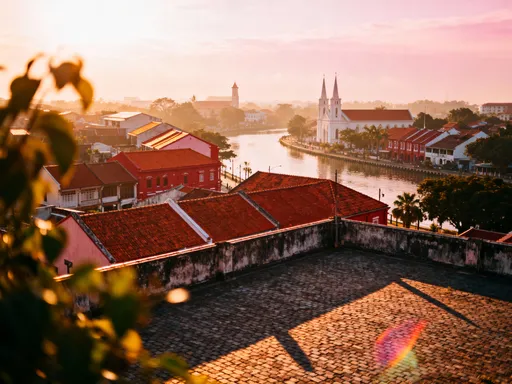
At first glance, Libreville may seem like any other African capital—bustling markets, wide boulevards, and a coastal skyline where the Atlantic meets urban life. But beneath its surface, the city serves a far more significant purpose: it is the primary access point to some of the most remote and ecologically vital protected areas on the continent. Unlike traditional safari destinations where nature reserves are hours from international airports, Libreville offers a direct bridge to Gabon’s wilderness. The city’s international airport connects to Paris, Istanbul, and Addis Ababa, while domestic carriers like Afrijet and FlyCongo operate short flights to remote airstrips near national parks.
For travelers aiming to reach Loango or Ivindo National Park, the journey typically begins with a domestic flight to Port-Gentil or Makokou, followed by boat or four-wheel-drive transfers. Road travel within Gabon remains challenging due to limited paved highways and seasonal flooding, particularly during the rainy months from March to May and October to November. As a result, most visitors rely on organized tours that include transport, guides, and camping equipment. These tours, often arranged through eco-lodges or conservation-focused tour operators, are not only safer but also more sustainable, ensuring compliance with park regulations and local community protocols.
Yet Libreville itself holds more than logistical value. It is home to the headquarters of Gabon’s National Parks Agency (ANPN), where conservation policy is shaped and international partnerships are coordinated. Travelers interested in responsible tourism can visit the ANPN visitor center to learn about ongoing projects, view wildlife tracking data, or even meet park rangers. The city also hosts several eco-conscious hotels and restaurants that source ingredients from nearby villages, reinforcing the connection between urban life and environmental stewardship. In this way, Libreville is not merely a transit hub but a living part of Gabon’s conservation story—one that deserves attention before the journey into the wild begins.
Gabon’s Conservation Ambition: A Nation That Puts Nature First
In 2002, Gabon made a bold declaration that would reshape its national identity: President Omar Bongo Ondimba established 13 national parks, protecting over 11% of the country’s total land area. This move was not symbolic—it was strategic. At a time when deforestation and poaching were accelerating across Central Africa, Gabon chose a different path. With nearly 85% of its land covered in dense rainforest and home to more than half of Africa’s forest elephants, the country recognized that its greatest long-term asset was not oil, but its biodiversity.
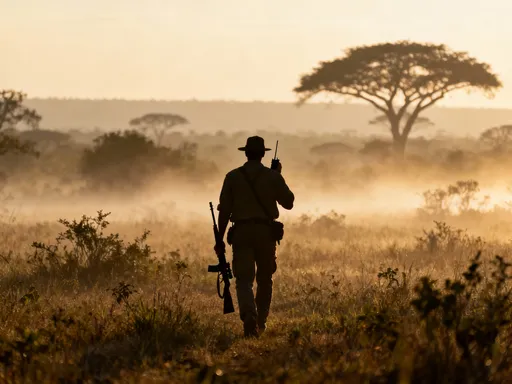
The creation of the national park system was supported by a partnership with the Wildlife Conservation Society (WCS) and funding from international donors, including the United States Agency for International Development (USAID) and the European Union. These collaborations helped train park rangers, deploy surveillance technology, and implement wildlife monitoring programs. Today, Gabon hosts one of the most advanced anti-poaching networks in the region, using GPS tracking, camera traps, and aerial patrols to safeguard species like lowland gorillas, chimpanzees, and pangolins.
But conservation in Gabon goes beyond enforcement. The government has integrated environmental protection into its national development strategy, promoting eco-tourism as a sustainable alternative to extractive industries. Initiatives such as the Gabon Green Fund provide financial support to community-led conservation projects, while reforestation efforts aim to restore degraded areas near urban centers. Moreover, the country has banned commercial logging in primary forests and restricted mining in sensitive zones, demonstrating a rare commitment to long-term ecological balance.
Still, challenges remain. Limited infrastructure, bureaucratic delays, and inconsistent enforcement in remote regions mean that not all protected areas receive equal attention. Some parks suffer from understaffing or lack of equipment, while others face pressure from illegal fishing or unauthorized logging. Yet Gabon’s vision remains clear: to be a global leader in tropical conservation, proving that economic development and environmental protection can coexist. For travelers, this means visiting a country where nature is not an afterthought—but a national priority.
Loango National Park: Where Forest Meets Ocean (And Reality Bites)
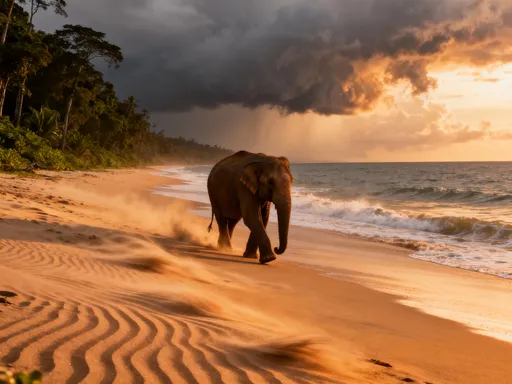
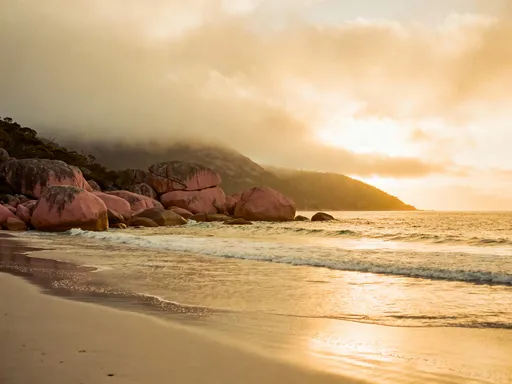
Often described as “Africa’s Last Eden,” Loango National Park offers a spectacle found almost nowhere else on Earth: forest elephants walking along white-sand beaches, pods of hippos lounging in lagoons, and humpback whales breaching just offshore during migration season. The park spans over 1,550 square kilometers of diverse ecosystems, including mangroves, savannas, and coastal forests. Its location along Gabon’s northwest coast creates a rare convergence of terrestrial and marine life, making it one of the most biologically rich areas in Central Africa.
Yet for all its beauty, Loango is not an easy destination. Access is limited and expensive. Most visitors arrive via charter flight to a small airstrip, followed by a boat transfer across the Ndogo Lagoon. Roads are virtually nonexistent, and even four-wheel-drive vehicles struggle during the rainy season. As a result, tourism infrastructure is minimal. There are no luxury lodges within the park; instead, travelers stay in basic eco-camps equipped with tents, solar power, and composting toilets. While this rustic experience aligns with the park’s conservation ethos, it can be a shock for those accustomed to more developed safari destinations.
Guided safaris are mandatory, and all activities must be arranged through licensed operators. These tours typically include boat excursions to spot crocodiles and manatees, forest walks to track gorillas or chimpanzees, and beach patrols to observe elephants. However, wildlife sightings are never guaranteed. Animal behavior is influenced by season, weather, and human activity, and even experienced guides cannot predict every encounter. Additionally, the best time to visit—June through September—coincides with peak tourist demand, leading to higher prices and limited availability.
Despite these challenges, Loango remains a crown jewel of Gabon’s protected areas. Its untouched landscapes offer a rare glimpse into what Africa’s coastlines might have looked like centuries ago. For those willing to embrace discomfort and unpredictability, the rewards are profound. The sound of waves crashing beside a forest trail, the sight of a buffalo herd emerging from mist—these are moments that linger long after the journey ends. Loango is not just a park; it is a reminder of nature’s resilience and the importance of preserving such places before they vanish.
Ivindo National Park: The Hidden Giant with Major Hurdles
Deep in northeastern Gabon lies Ivindo National Park, a vast expanse of primary rainforest covering over 3,000 square kilometers. It is home to the breathtaking Kongou Falls—a series of cascades on the Ivindo River that stretch nearly 3 kilometers wide, making them one of the most powerful waterfalls in Africa. The park also shelters rare species such as the African golden cat, the elusive okapi, and thousands of bird species, including the endangered grey-necked rockfowl. Its dense canopy shelters one of the last intact habitats for forest elephants and western lowland gorillas, making it a critical stronghold for biodiversity.
Yet despite its ecological significance, Ivindo remains one of the least visited national parks in Africa. The primary reason is accessibility. Reaching the park requires a flight to Makokou, the nearest town, followed by a multi-hour boat ride up the Ivindo River. The journey is slow and subject to water levels, which fluctuate dramatically between dry and rainy seasons. There are no roads connecting Makokou to the park, and helicopter tours are prohibitively expensive for most travelers.
Once inside, visitors face additional hurdles. Permits must be obtained in advance through the ANPN office in Libreville, and all trips require an authorized guide. Accommodations are extremely limited, often consisting of simple wooden cabins or camping sites with no electricity or running water. Medical facilities are non-existent, and emergency evacuation can take days. As a result, only a few hundred tourists visit Ivindo each year—mostly researchers, documentary crews, and experienced eco-tourists.
This low visitation rate has both advantages and drawbacks. On one hand, the park remains undisturbed by mass tourism, preserving its pristine condition. On the other hand, the lack of tourism revenue limits funding for conservation and community development. Local villages near the park boundaries have few economic opportunities, and some residents resort to subsistence hunting or logging due to poverty. Efforts are underway to train community members as guides and lodge managers, but progress is slow. Ivindo’s story is one of untapped potential—a place of extraordinary beauty that remains hidden not by design, but by circumstance. With improved infrastructure and sustainable tourism models, it could become a flagship destination for responsible travel.
Akanda National Park: Close to the City, But Often Overlooked
Just a short drive from Libreville’s city center lies Akanda National Park, a coastal reserve encompassing mangrove forests, tidal creeks, and offshore islands. Unlike the remote parks of the interior, Akanda is easily accessible, making it an ideal destination for day trips or weekend excursions. The park serves as a vital nursery for fish and crustaceans, supports migratory birds, and hosts dolphins in its waters. It is also one of the last refuges for the endangered Atlantic leatherback turtle, which nests on its beaches between November and March.
Despite its proximity to the capital, Akanda receives far less attention than it deserves. One reason is pollution. Urban runoff, plastic waste, and illegal dumping have degraded parts of the mangrove ecosystem, threatening marine life and diminishing the visitor experience. Additionally, unchecked construction along the coast has led to habitat loss, with some areas converted into private residences or commercial developments. Park management has struggled to enforce regulations due to limited staffing and resources, resulting in inconsistent patrols and delayed restoration efforts.
Yet Akanda holds immense potential for community-based eco-tourism. Local NGOs and youth groups have launched clean-up campaigns, mangrove replanting initiatives, and environmental education programs in nearby schools. Some villages offer guided kayak tours through the mangroves, allowing visitors to observe kingfishers, mudskippers, and even crocodiles in their natural habitat. These small-scale efforts not only protect the environment but also provide income for residents who might otherwise rely on fishing or informal labor.
For travelers, visiting Akanda is an opportunity to support grassroots conservation. Choosing local guides, respecting park rules, and minimizing waste can make a tangible difference. The park may lack the drama of Loango’s elephants or Ivindo’s waterfalls, but its quiet beauty is equally valuable. Watching the sunset over the lagoon, hearing the call of a fish eagle, or spotting a dolphin in the distance—these moments connect people to nature in a deeply personal way. Akanda proves that conservation does not always require remoteness; sometimes, it begins in the backyard of a growing city.
The Human Side of Protected Areas: Local Communities and Tourism Gaps
Behind every national park in Gabon are villages whose lives are intertwined with the land. For generations, these communities have relied on forests and rivers for food, medicine, and cultural practices. Yet when protected areas were established, many were excluded from decision-making processes, leading to tensions between conservation goals and local needs. In some cases, traditional hunting grounds were restricted without adequate alternatives, creating resentment toward park authorities.
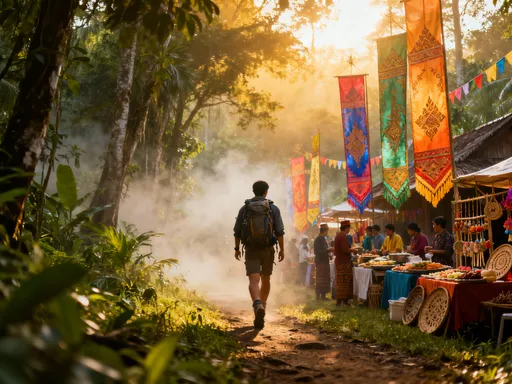
Today, efforts are being made to bridge this gap. The ANPN and partner organizations are working to involve local residents in eco-tourism ventures, training them as guides, trackers, and hospitality staff. In Loango, for example, several lodges employ villagers to manage camps, cook meals, and lead boat tours. In Ivindo, community scouts assist rangers in monitoring wildlife and preventing poaching. These roles not only provide income but also foster a sense of ownership and pride in conservation.
However, economic benefits remain uneven. Many tourism dollars flow to foreign-owned tour operators or urban-based agencies, leaving little for those living near the parks. Additionally, seasonal employment means income is inconsistent, making it difficult for families to rely on tourism as a stable livelihood. Without long-term investment in education, infrastructure, and micro-enterprises, the full potential of community-based tourism will remain unfulfilled.
Travelers can play a role in changing this dynamic. By choosing locally operated tours, staying in community-run lodges, and purchasing handicrafts directly from artisans, visitors help ensure that tourism dollars stay within the region. Respecting cultural norms, asking permission before taking photographs, and learning a few phrases in local languages like Myene or Fang also build goodwill. Conservation is not just about protecting animals; it is about supporting the people who share their habitat. When done right, eco-tourism becomes a shared journey—one that benefits both nature and communities.
Traveler’s Reality Check: What You Need to Know Before You Go
Planning a trip to Gabon’s protected areas requires more than a passport and a sense of adventure. Unlike popular destinations with well-established tourism networks, Gabon demands careful preparation. One of the biggest challenges is the lack of reliable information. Official park websites often have outdated details, and booking platforms may not reflect current conditions. Travelers have reported last-minute cancellations, incorrect itineraries, or guides who never show up—issues that can derail an entire trip.
To avoid these pitfalls, it is essential to work with reputable, locally registered tour operators who have experience in Gabon’s national parks. These companies understand permit requirements, weather patterns, and safety protocols. They also maintain relationships with park authorities and local communities, ensuring smoother logistics. It is advisable to book several months in advance, especially for remote parks like Ivindo or Loango, where space is limited and demand peaks during the dry season.
Health precautions are equally important. Gabon is in a tropical zone where malaria, yellow fever, and other mosquito-borne illnesses are present. Travelers must obtain the required vaccinations, carry antimalarial medication, and pack insect repellent, long-sleeved clothing, and a basic first-aid kit. Clean drinking water is not always available, so water purification tablets or portable filters are recommended. Additionally, travel insurance that covers medical evacuation is crucial, given the limited healthcare infrastructure in remote areas.
The best time to visit most parks is during the dry season, from June to September, when trails are passable and wildlife is easier to spot near water sources. However, this period also brings higher prices and more visitors. For a quieter experience, consider the shoulder months of May or October, though be prepared for occasional rain. Packing lightweight, quick-dry clothing, waterproof gear, and sturdy hiking boots will help manage the humid, unpredictable climate. Above all, adopt a flexible mindset. Delays, cancellations, and unexpected changes are part of the journey. Embracing them with patience and respect will lead to a more authentic and rewarding experience.
Conclusion
Gabon’s protected areas are extraordinary—but not easy. Their beauty is matched only by the complexity of visiting them. From the elephants of Loango to the waterfalls of Ivindo and the mangroves of Akanda, these landscapes offer a rare glimpse into one of Earth’s last great wildernesses. Yet behind the postcard images are real challenges: logistical hurdles, environmental threats, and social inequities that must be addressed for conservation to succeed.
Travelers have a unique opportunity to contribute to this effort. By choosing responsible tourism practices, supporting local communities, and respecting the fragility of these ecosystems, visitors become part of the solution. Gabon does not offer convenience or luxury at every turn. Instead, it offers authenticity, depth, and a chance to witness nature on its own terms. The journey may be demanding, but for those who go with open eyes and open hearts, the reward is immeasurable. In a world where wild places are disappearing, Gabon stands as a beacon of hope—a nation proving that with vision, courage, and collective action, we can protect the planet’s last wild hearts.